 Wasatch
The traditional yard is orderly. Paths run straight, planting beds mirror each other on either side of an axis, and hedges, trees and borders are pruned to keep their shape. A lawn gives open space, a patio or terrace gives a place to sit, and details such as a fountain, urn or gate add a focal point.
It suits homes with brick, colonial, craftsman or other classic architecture, and owners who want a neat, familiar look that suits a front yard and a backyard alike. In Utah, a large lawn is the hard part, because it needs more water than most plants. Many designers keep a smaller lawn for play and use hedges, perennials and paving for the formal structure.
The Classic Traditional Palette
Lawn, clipped hedges, symmetry, formal paths.
- Lawn green
#5d8a4a - Brick red
#a65a44 - Soft white
#f4f1ea - Evergreen
#2f4a2f
Photos
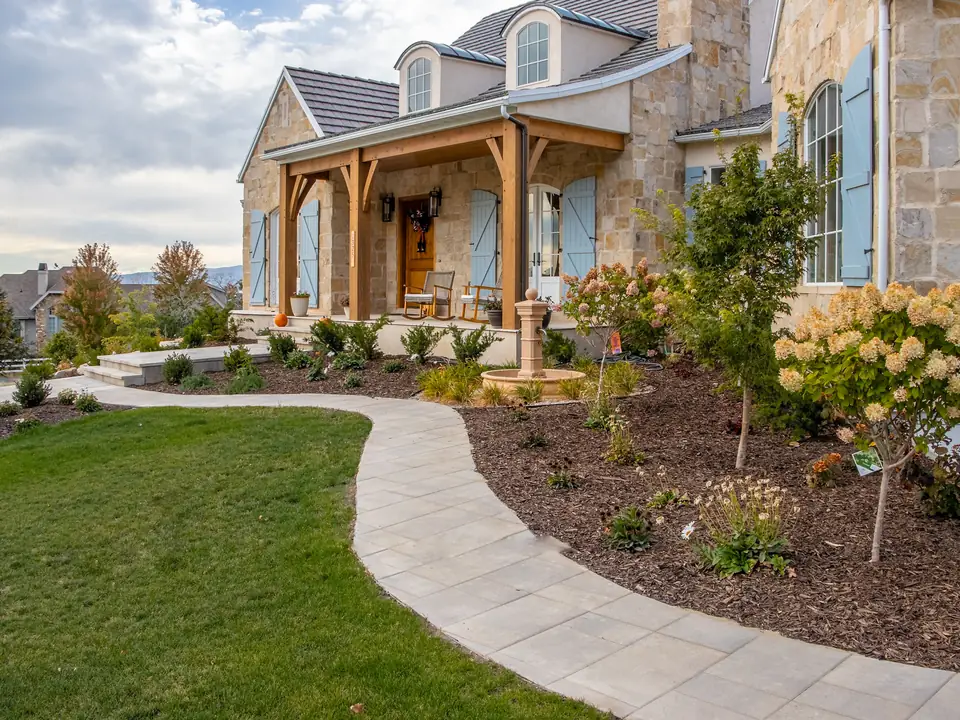 Project by the Utah landscape pro we refer
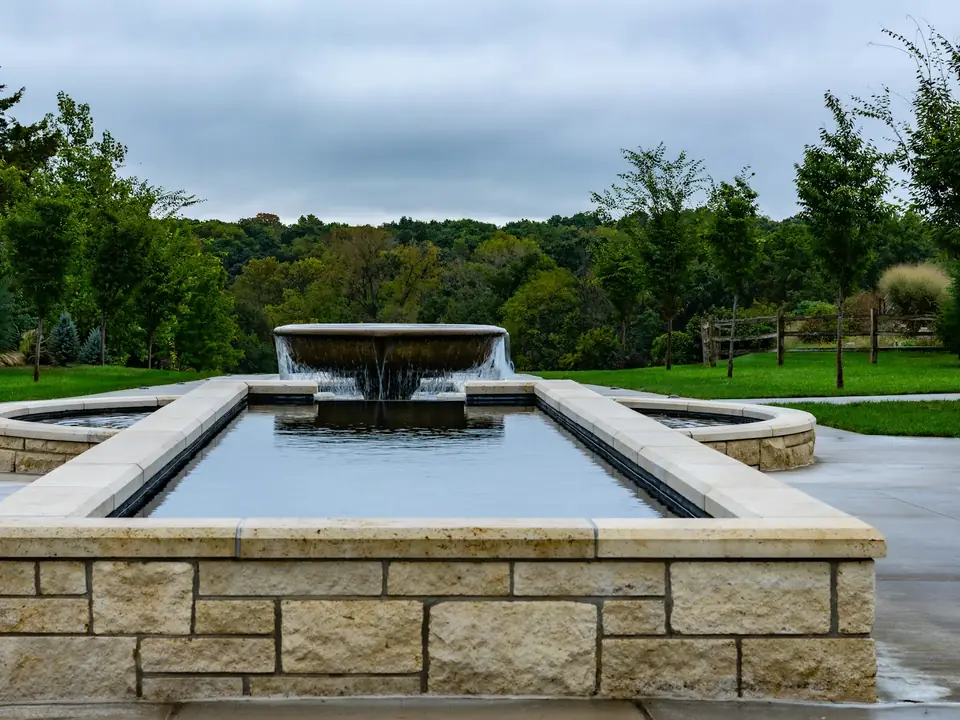 Photo: Taylor Finklea on Unsplash
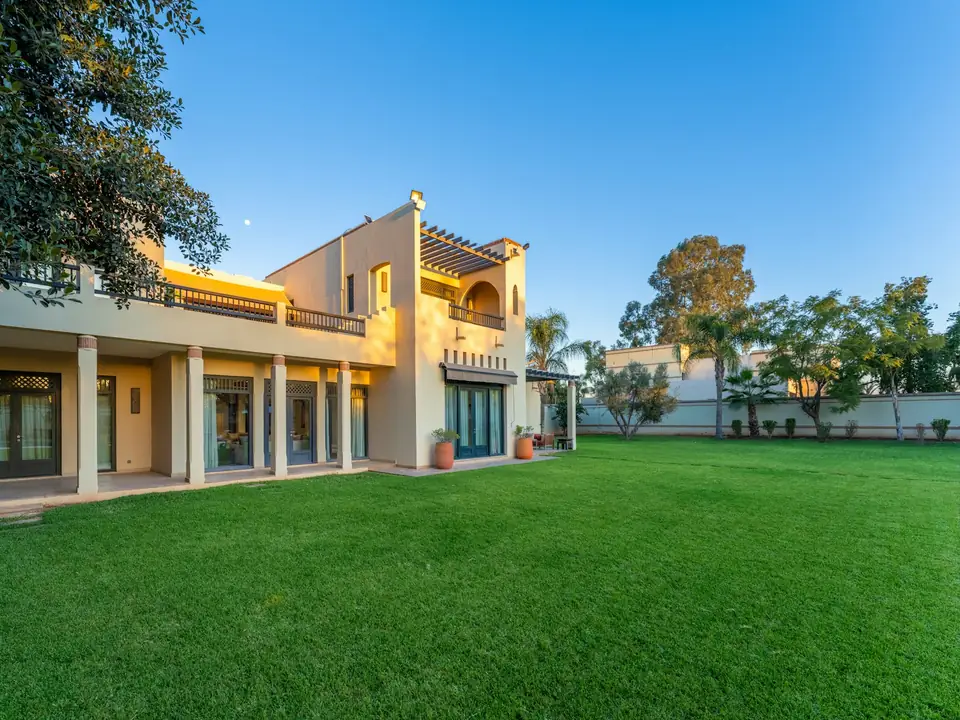 Photo: AZIZ KOURI on Unsplash
Typical Features
- Defined lawn panel. A smaller, well-edged lawn framed by planting for play and open space.
- Clipped hedges. Boxwood, yew or similar shrubs that give the garden its structure.
- Symmetrical beds. Matching borders and paired planting on either side of a path or entry.
- Formal paths and terrace. Brick, paver or stone surfaces laid in straight patterns.
- Focal piece. A fountain, urn, trellis or specimen tree at the end of a view.
- Front entry planting. Matching beds and clipped shrubs on either side of a walk create a welcoming approach to the door.
Materials That Suit It
- Brick and clay pavers. Traditional paths and patios in classic patterns.
- Natural stone. Steps, walls and coping.
- Painted wood. Fences, gates and trellises in white or deep green.
- Evergreen shrubs and trees. For structure that holds through winter.
- Cast stone or iron. Fountains, urns and gates.
Making It Work in Utah
- Water. Lawn is the biggest water user in most yards. Keep turf to the areas that earn it, use efficient irrigation, and check the water-wise guide for options.
- Frost. Formal paths and steps show every heave. A compacted, draining base under brick and paving keeps lines straight through freeze-thaw.
- Clay soil. Hedges and lawn establish better when beds are amended and drainage is planned. Heavy clay holds water and can rot roots in winter.
- Wind and snow. Evergreen hedges can act as windbreaks, but heavy snow can bend them, so choose shrubs rated for the load and prune accordingly. Boxwood and other classic hedge plants can burn in hot reflected sun. Ask which varieties do well on your exposure.
Project guides: Patios and pavers · Retaining walls · Cost guide · Cost guide
Classic Traditional Questions
Can a traditional yard use less water?
Yes. Reduce lawn area, use drip on hedges and beds, and choose hardy perennials. The formal layout stays, while water use drops.
Does it cost much to maintain?
Clipped hedges and edged lawns need regular trimming and mowing. Plan on seasonal pruning, fertilizing and spring cleanup to keep the lines crisp.
What does new sod cost?
The cost guide models new sod at $1.50 to $3.50 per square foot, and a sprinkler system or rezoning at $3,000 to $7,000 per backyard. These are modelled figures, not quotes. See the cost guide.
What hedge plants hold up in Utah?
Boxwood, yew, privet and similar evergreen or semi-evergreen shrubs are common. Site exposure and winter cold affect each, so a designer will match varieties to your yard.
Start Your Brief With Classic Traditional
The design brief opens with Classic Traditional first in the photo rounds. Pick what you like, add features and budget, and one independent, Utah-licensed design-build pro gets the brief. Free, no obligation.
Design Your BackyardOther Styles
Photos: projects by the independent Utah landscape pro we refer (labelled as such, used with permission) and Unsplash stock photos (inspiration only, not anyone's work), all credited on the photo credits page. Fallback illustrations are original artwork.